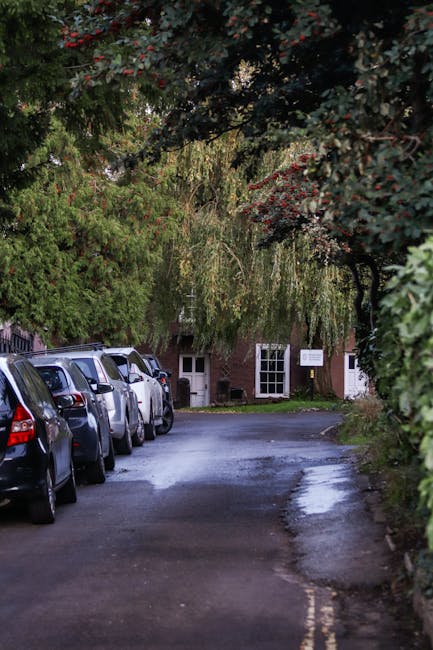
Gardeners access issues Archway flats and estates
If you manage a flat block, own a leasehold property, or simply live on one of Archway's estates, you'll know that garden work is rarely just "turn up and mow". In real life, the challenge is often access: locked gates, tight courtyards, shared entrances, limited parking, timed entry windows, lift bookings, bin-store obstructions, and neighbours who are understandably not keen on noise at 8:00 a.m. That is why Gardeners access issues Archway flats and estates is a practical topic, not a minor admin detail. Get the access wrong and a simple visit can become delayed, inefficient, or awkward for everyone. Get it right, and the whole place feels calmer, safer, and easier to keep tidy.
This guide breaks down what access issues usually mean, how they are handled, what good planning looks like, and how to avoid the little problems that cause the most frustration. It is written for residents, property managers, landlords, and anyone trying to keep communal outdoor spaces under control without drama. Let's face it, nobody wants a garden team standing outside a locked gate with a trolley full of equipment while everyone hunts for the right key.
Table of Contents
- Why Gardeners access issues Archway flats and estates Matters
- How Gardeners access issues Archway flats and estates Works
- Key Benefits and Practical Advantages
- Who This Is For and When It Makes Sense
- Step-by-Step Guidance
- Expert Tips for Better Results
- Common Mistakes to Avoid
- Tools, Resources and Recommendations
- Law, Compliance, Standards, or Best Practice
- Options, Methods, or Comparison Table
- Case Study or Real-World Example
- Practical Checklist
- Conclusion
- Frequently Asked Questions
Why Gardeners access issues Archway flats and estates Matters
Access affects almost everything about garden maintenance in communal and multi-occupancy buildings. In Archway, as in much of North London, flats and estates often have shared routes, enclosed communal areas, or narrow side passages that were never designed for regular service visits. A gardener might need to reach the rear garden through a hallway, enter via a resident-only gate, or move equipment across a courtyard where children play and bikes are stored. Small as those details sound, they shape how smoothly the work can happen.
When access is poorly planned, the knock-on effects are immediate. Jobs take longer. Costs can rise because crews spend time waiting rather than working. Residents get irritated. And if the team has to return because they could not reach the area properly, the whole schedule starts to wobble. For a site manager or landlord, that can become a weekly headache rather than a one-off inconvenience.
There is also a safety side to this. A blocked route means more manual carrying, more chance of damage to shared areas, and less room to move tools or waste safely. That is especially relevant when handling pruning debris, heavy bags of green waste, or equipment for tasks like lawn mowing, hedge trimming, or tree lopping and removal. In short, access is not a side issue. It is part of the job itself.
Expert summary: On flat blocks and estates, the best garden maintenance is usually the one nobody has to chase. Clear access, agreed entry times, and a sensible route through the site often matter as much as the gardening task.
If you want a broader view of how outdoor work is structured across different sites, the services overview is a useful place to start. It helps you understand where access-sensitive jobs fit into a wider maintenance plan.
How Gardeners access issues Archway flats and estates Works
The basic process is simple enough: the gardener needs a reliable way to reach the work area, complete the task, and leave the site clean and secure. The reality, of course, is a bit messier. Access can involve keys, fobs, codes, resident permission, concierge coordination, or timed site visits. On some estates, the route is straightforward but cramped. On others, there may be layers of control that need to be confirmed before the team arrives.
A good access plan usually starts before the visit. That means checking where the team can park, which entrance they should use, whether they need to ring a bell or call on arrival, and whether there are any no-access periods. If there are security gates or shared doors, someone needs to confirm how they will be opened and who is responsible for closing them afterwards. Sounds obvious. It often gets missed anyway.
In practice, access management for flat blocks often follows this pattern:
- Confirm the exact site and the correct entry point.
- Agree a contact person for the day.
- Check whether keys, codes, or fobs are needed.
- Identify any resident restrictions, quiet hours, or parking limitations.
- Plan the route for equipment, waste, and exit.
- Make sure gates, doors, and communal areas are left secure and tidy.
That process matters even more if the work involves bulkier tasks such as garden clearance or heavier materials from landscaping jobs. If the team cannot bring waste out efficiently, green waste piles up fast, and a neat afternoon can turn into a bit of a shuffle.
One small but important point: access is not only about getting in. It is also about getting out without leaving muddy footprints, trampled planting, or a gate that does not quite latch. That sounds minor until the next resident notices at 7 a.m.
Key Benefits and Practical Advantages
Good access planning brings benefits that are easy to feel on site, even if they are not always visible on a spreadsheet.
- Faster completion: Crews spend less time waiting or backtracking.
- Lower disruption: Residents are not repeatedly disturbed by failed arrivals or repeated calls.
- Better safety: A clear route reduces trip hazards, awkward lifting, and conflict with residents moving through the space.
- Cleaner outcomes: Waste can be removed properly instead of being left in temporary piles.
- More predictable costs: Less wasted time usually means less administrative friction and fewer surprise delays.
- Stronger trust: When access is handled professionally, residents tend to feel that the site is being managed properly.
There is also a quieter benefit that people sometimes overlook: a well-run access process makes the whole estate feel more cared for. You notice it in the little things. Trimmed hedges look better when the workday starts smoothly. A shared lawn feels more usable when the crew is not dragging gear through flower beds. Even the mood of the block can improve a bit, which is not nothing in a busy London stairwell.
If the site includes regular ongoing upkeep, a structured approach to garden maintenance can be far more effective than one-off visits. Routine work is easier to schedule, easier to access, and usually less disruptive than a larger catch-up job after months of neglect.
Who This Is For and When It Makes Sense
This topic matters to a surprisingly wide group of people. If you live in a flat with shared outdoor space, you already know the frustration of trying to coordinate access around neighbours and building rules. If you are a property manager, you may be balancing resident complaints, contractor schedules, and security requirements all at once. Landlords and housing associations often need an access setup that works across multiple sites without becoming a full-time admin job.
It also makes sense for smaller buildings. Even a modest block with a tiny front garden can have access issues if the only route runs through a communal hallway or if the keyholder is not on site. And if the space is more complex - say, a communal rear garden, a sloped path, or a shared decked area - the need for planning becomes more obvious. The same applies to work around outdoor structures and shared surfaces, especially when decking services are part of the job.
In our experience, the people who benefit most from getting this right are those who need repeat visits. One-off jobs are one thing. Ongoing mowing, trimming, and seasonal tidy-ups need access that is consistent, not improvised every time. Otherwise the whole thing becomes a recurring patch-up exercise. Nobody really wants that.
This is especially relevant if you are comparing different maintenance needs across a site. A shrub bed may need light trimming, a lawn may need regular mowing, and a back area may need occasional clearance. Each task has a slightly different access requirement, which is why a single generic plan often falls short.
Step-by-Step Guidance
Here is a practical way to handle access for gardeners working on Archway flats and estates.
1. Map the access route before the visit
Walk the route from the street or vehicle point to the garden area. Look for gates, steps, narrow passages, locked doors, low branches, and anything stored along the path. If a wheelbarrow or mower has to pass through, test whether it actually fits. It sounds basic, but a lot of problems start here.
2. Confirm who opens the site
Decide in advance who will provide access. That might be a resident, caretaker, concierge, managing agent, or contractor with a key. The key point is clarity. If two people assume the other one is letting the team in, the morning gets awkward fast.
3. Set a realistic time window
Flat blocks often need a better time window than private homes. Morning deliveries, school runs, waste collection, and residents commuting all affect movement. If the site is busy, a narrow arrival slot may be more trouble than it is worth.
4. Check parking and unloading
Parking is not just a convenience issue. It affects how much equipment the crew can bring, how quickly they can set up, and whether the job starts on time. If parking is restricted, say so clearly and early. A contractor circling a block for fifteen minutes is not an ideal start.
5. Protect shared areas
Use mats or sensible route planning where needed. Keep muddy tools away from clean hallways if possible. If waste has to pass through shared space, make sure the route is agreed first. Good contractors will think this through, but it helps when residents and managers do too.
6. Remove waste properly
Green waste should be bagged, loaded, or collected in a way that suits the site. For larger jobs, arrange removal so that communal bins are not overloaded. If the job becomes more substantial, a service like recycling and sustainability is relevant because it keeps the process orderly and less wasteful.
7. Close the loop afterwards
Once the work is done, confirm that gates are locked, doors closed, and any temporary access arrangements are tidied up. This final step is boring, yes, but it is the bit residents remember if it goes wrong.
Expert Tips for Better Results
Here are a few things that tend to make the biggest difference on multi-occupancy sites.
- Keep one named contact per site: Too many decision-makers slow everything down.
- Write access notes down: A quick message about which gate to use, where to park, or which bell works can save a lot of faff.
- Plan for bad weather: Wet days make entry routes muddy and more slippery. In winter, early darkness changes how safe some paths feel.
- Use repeat schedules where possible: Regular visits are easier to manage than ad hoc ones, especially where access must be arranged each time.
- Be honest about restrictions: If there is a tiny service lane or a gate that only opens 90 degrees, say so. It helps the crew arrive prepared.
- Think about neighbours: Noise, cigarette smoke, bins, and people using the communal garden at the same time can all affect the job.
One practical trick we often see work well is attaching access instructions to the booking rather than keeping them in someone's head. Human memory is great until Tuesday afternoon, and then it is suddenly less reliable. A short note beats a vague "someone will be there" every time.
If the project involves more than routine cutting and tidying, you may also want to review landscape gardening or landscaping options, because access and delivery planning can influence what is realistically achievable on site.
Common Mistakes to Avoid
Most access problems are not dramatic. They are small, repeated oversights. Which is somehow worse.
- Assuming the same access works every time: A key may be with someone else, or a gate code may have changed.
- Forgetting resident routines: School drop-off, bin day, and evening dog-walking all affect movement through the site.
- Not checking equipment size: A mower may fit the job, but not the route.
- Leaving waste handling until the end: If you have nowhere to stage clippings, the area can become cluttered quickly.
- Using vague instructions: "Come in through the back" is not enough if there are three back entrances.
- Ignoring accessibility needs: Steps, slopes, narrow doors, and uneven paving matter for both workers and residents.
Another mistake is treating access like a one-time admin box to tick. In shared buildings, conditions change. A landlord changes the lock. A resident blocks the route with bikes. A contractor is told one thing, then the concierge on shift says another. These things happen. The fix is to keep the access plan live, not static.
Tools, Resources and Recommendations
You do not need complicated software to manage access well. Most of the time, a few simple tools do the job.
- Site notes: A short written record of entrances, codes, contacts, and parking arrangements.
- Arrival checklist: Useful for ensuring gates, bins, and obstacles are checked before work begins.
- Photo reference: Sometimes a quick image of the access route helps more than a paragraph of text.
- Recurring schedule: Regular visits reduce confusion and make planning easier.
- Clear service brief: This should say what the team is expected to do and what the site needs from them in return.
If you are comparing services or trying to understand what is included, a clear pricing process helps. The pricing and quotes page is useful for seeing how a job can be scoped before anyone arrives with tools in hand.
For organisations that want to understand trust, process, and wider working standards, about us and insurance and safety are sensible pages to review alongside operational planning. They help set expectations around professionalism, practical site conduct, and how risks are handled.
Law, Compliance, Standards, or Best Practice
Access planning on flats and estates is not only a matter of convenience. It also touches safety, neighbour relations, and site management standards. While the exact obligations vary depending on ownership structure and contract terms, the safest approach is to follow established UK best practice: keep routes clear, avoid creating hazards in communal areas, communicate in advance, and respect site-specific instructions.
For communal buildings, practical compliance usually means more than just having permission to enter. It means making sure the work does not create avoidable risk for residents or workers. That can include keeping access routes free from trip hazards, ensuring gates and doors are secured after use, and handling waste in a controlled way. If a site has specific health and safety procedures, those should be followed before the team starts.
It is also worth paying attention to accessibility. Not every resident or visitor uses a building in the same way, and some routes may not suit people with mobility limits, pushchairs, or delivery trolleys. If your site has stairs, ramps, or narrow access points, it is better to acknowledge that early than pretend it is fine and hope for the best. Hope is not a plan, as they say.
For a more formal view of site standards, the health and safety policy, accessibility statement, and terms and conditions pages are useful references on how responsibilities and expectations are framed. If you ever need to make a formal issue about service delivery, the complaints procedure is the right place to check the process.
Options, Methods, or Comparison Table
Different blocks need different access models. Here is a simple comparison of the most common approaches.
| Access method | Best for | Pros | Watch-outs |
|---|---|---|---|
| Resident-led access | Small blocks and occasional work | Simple to arrange, no extra site admin | Can fail if the resident is late or unavailable |
| Keyholder or concierge access | Managed estates and larger developments | More reliable, better for repeat visits | Depends on handover discipline and shift timing |
| Timed entry window | Busy communal areas | Reduces disruption and overlap with residents | Less flexible if traffic or weather causes delays |
| Scheduled recurring access | Routine maintenance such as mowing or trimming | Easier to plan, more consistent results | Requires accurate records and good communication |
There is no single perfect method. A small courtyard may work best with a resident keyholder. A larger estate may need a fixed schedule and a site contact. The best option is the one that matches the building's daily rhythm, not the one that looks neat on paper.
Case Study or Real-World Example
Imagine a mid-sized Archway estate with a shared rear lawn, a side gate, and a planted frontage area near the entrance. On paper, it sounds straightforward. In reality, the side gate opens only with a fob, the rear lawn is partly blocked by stored bikes, and the only practical unloading point is a busy residential road. The first visit goes slowly because the gardener has to wait for access, move equipment twice, and work around residents heading out for the day.
On the next visit, the management team makes three simple changes. They confirm one keyholder, clear the side route in advance, and agree a 30-minute access window before the morning rush. Nothing dramatic. No fancy system. Just decent planning. The result is smoother work, less time lost at the gate, and fewer interruptions for neighbours. The gardener can focus on the actual job instead of improvising around a locked entrance. That is usually what people want, really.
Now scale that up across a few months. The same site becomes easier to maintain, residents complain less, and the outdoor spaces stop drifting into a semi-neglected state between visits. Small improvements compound quickly when access is handled properly.
Practical Checklist
Use this checklist before any gardener visit to a flat block or estate.
- Confirm the exact address and entrance point.
- Share the site contact and their phone number.
- Check whether keys, codes, or fobs are needed.
- Agree the arrival time and access window.
- Identify parking and unloading arrangements.
- Make sure gates, doors, and routes are free from obstructions.
- Note any resident-only restrictions or quiet periods.
- Confirm waste handling and removal expectations.
- Flag uneven paths, steps, slopes, or tight corners.
- Check how the site will be secured after the work is finished.
Quick reminder: if a detail feels too small to mention, it is probably exactly the detail that will cause a delay later.
Conclusion
Garden access on flats and estates is rarely glamorous, but it is one of those behind-the-scenes things that makes everything else work. When access is clear, gardeners can do their job properly, residents experience less disruption, and the site stays cleaner, safer, and easier to manage. When access is vague or improvised, even the simplest maintenance task can turn into a frustrating little saga.
The good news is that most access issues are solvable with plain, practical steps: clear instructions, a named contact, realistic timing, and a route that actually works in the real world. That is true whether the job is routine mowing, hedge cutting, a bigger clearance, or a more complex estate tidy-up. Keep the process simple, keep it written down, and keep it human.
If your building needs a more reliable approach to shared outdoor spaces, start with a clear plan and a team that understands how communal sites work. It makes a difference, honestly, more than people expect.
Get a free quote today and see how much you can save.
Frequently Asked Questions
What are the most common access problems for gardeners on Archway flats and estates?
The usual problems are locked gates, unclear key arrangements, blocked communal routes, limited parking, and residents who are not expecting the visit. Timing is often the hidden issue. A site can seem accessible, then get awkward once everyone starts moving around in the morning.
How do I prepare a flat block for garden maintenance access?
Confirm the entrance point, clear the route, arrange a site contact, and make sure anyone with a key, fob, or code is available. If waste needs to be removed, plan that in advance too. A five-minute check before the visit can prevent a lot of backwards-and-forwards later.
Do gardeners need special permission to enter communal gardens?
Usually, yes, in the sense that access should be agreed by the relevant resident, landlord, managing agent, or authorised contact. The exact arrangement depends on the building setup. What matters is that the team has clear permission and clear instructions, not assumptions.
How can I reduce disruption to residents during garden work?
Use sensible time windows, share arrival details, and avoid peak movement periods where possible. Good communication helps a lot. If residents know what is happening and when, they are far more likely to tolerate the noise of a mower or hedge trimmer.
What if the gardener cannot get into the estate on the day?
The best approach is to have a backup contact and a clear rebooking process. Sometimes a missed access arrangement is unavoidable, especially in larger buildings. The key is to fix the gap quickly rather than letting it drift into another missed appointment.
Are there safety issues with carrying tools through communal hallways?
Yes. Shared routes can create trip hazards, scuffs, wet floors, and awkward congestion if not handled carefully. Tools and waste should be moved in a controlled way, with attention to residents using the same space. That is basic site courtesy, but it matters.
Can access problems affect the cost of garden work?
They can, depending on how much time is lost or how complicated the site is to work on. It is better to be upfront about access conditions when requesting a price. That helps avoid surprises and makes the quote more realistic.
What should a good access note include?
It should cover the entrance to use, who to contact, parking details, gate or door instructions, any time restrictions, and anything that blocks the route. If it takes a while to explain on the phone, it is probably worth writing down instead.
How often should access details be reviewed?
Whenever the site changes, and ideally before recurring visits if there is any doubt. Locks, codes, staff, and resident routines change over time. Even a tiny update can save a missed appointment.
Is access planning different for garden clearance compared with lawn mowing?
Yes. Lawn mowing usually needs a predictable route and regular timing, while garden clearance can involve bulkier waste, more lifting, and more space for loading. The bigger the job, the more important access becomes. That part is easy to underestimate.
Where can I find more details about service expectations and policies?
Useful starting points include the site's services overview, health and safety policy, and insurance and safety information. If you need to understand pricing or how a job is scoped, the pricing and quotes page is also worth checking.
In the end, good access is a quiet kind of professionalism. You only really notice it when it is missing. And once it is sorted, the whole place just breathes a little easier.